Q: What's the most essential electronics for college students?
Short Answer: A reliable laptop is the absolute must-have, followed by good headphones for focus and a power bank for all-day power. These three items cover 90% of your daily tech needs in college.
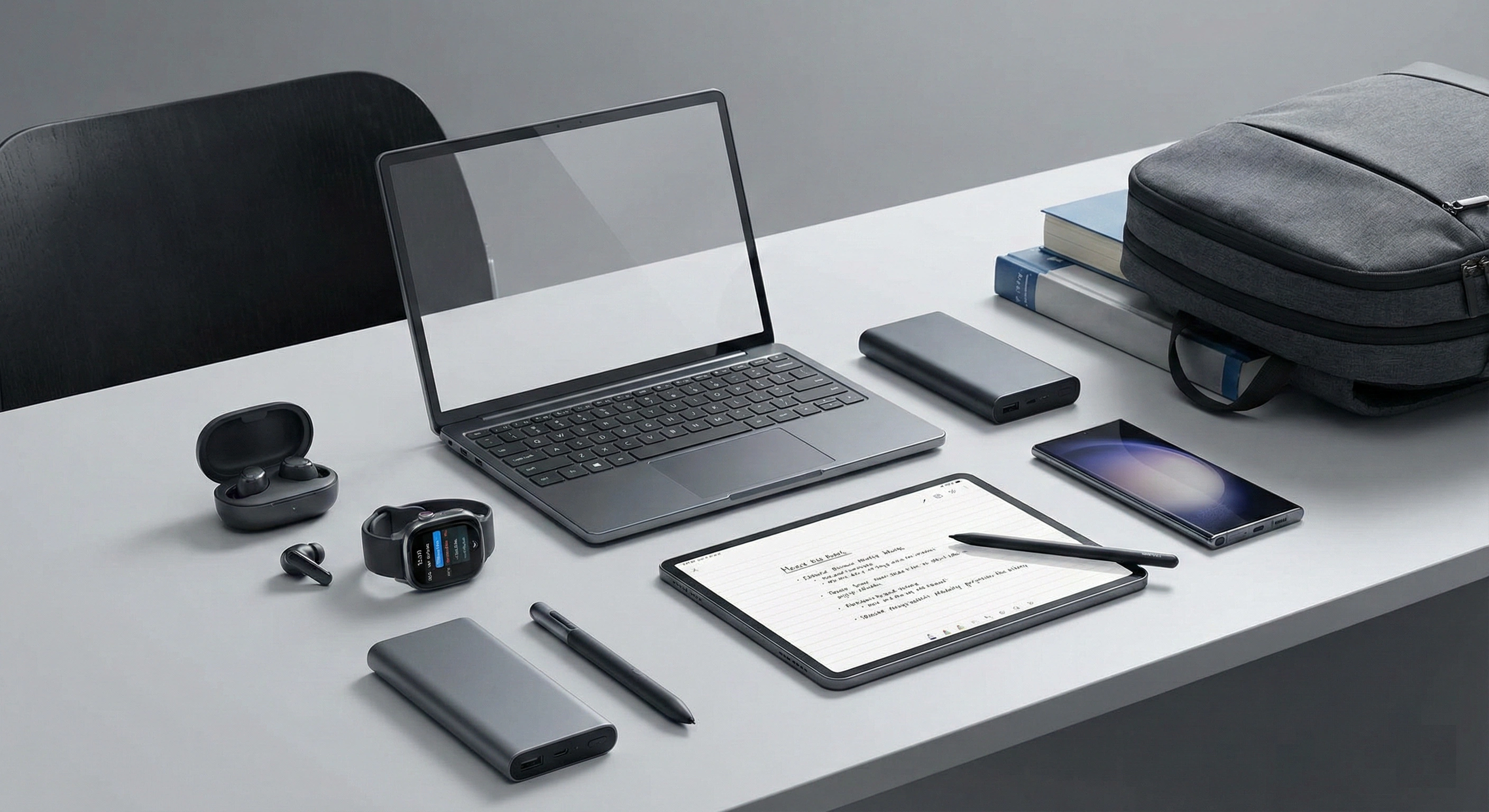
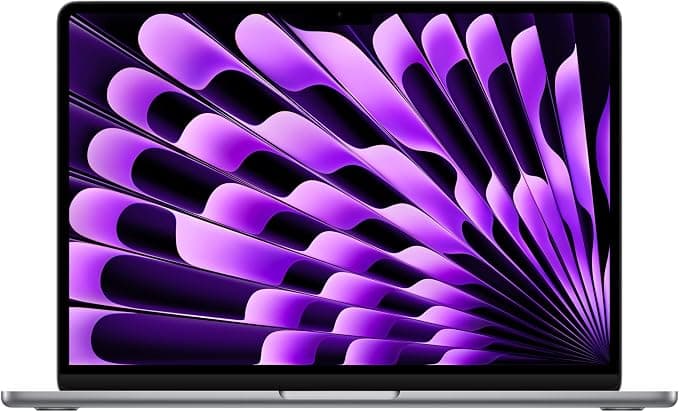
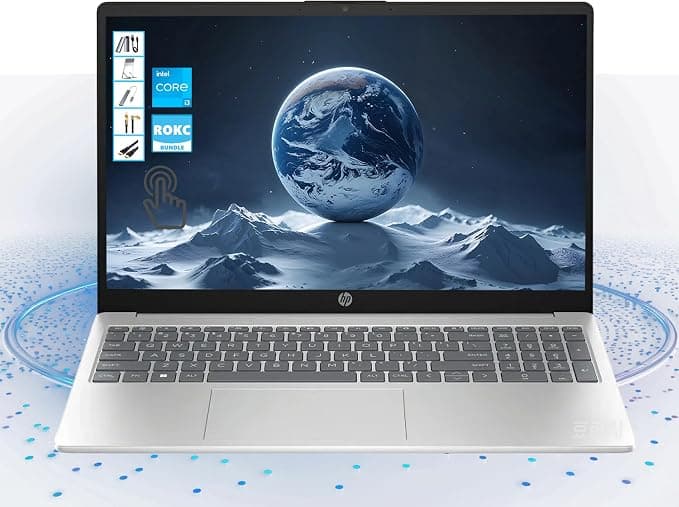
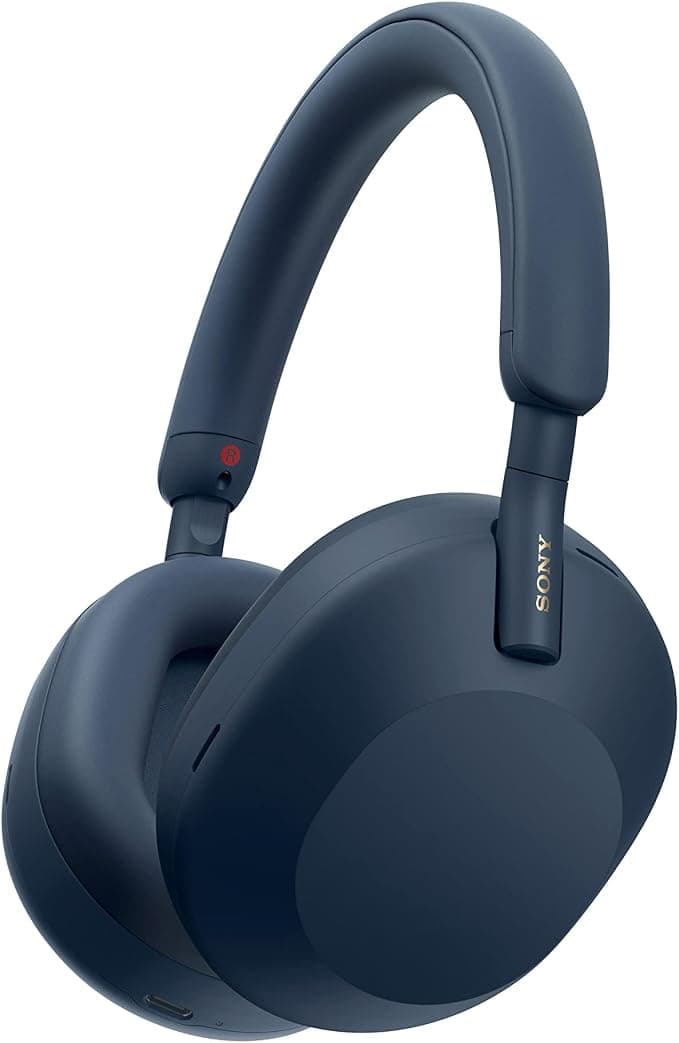
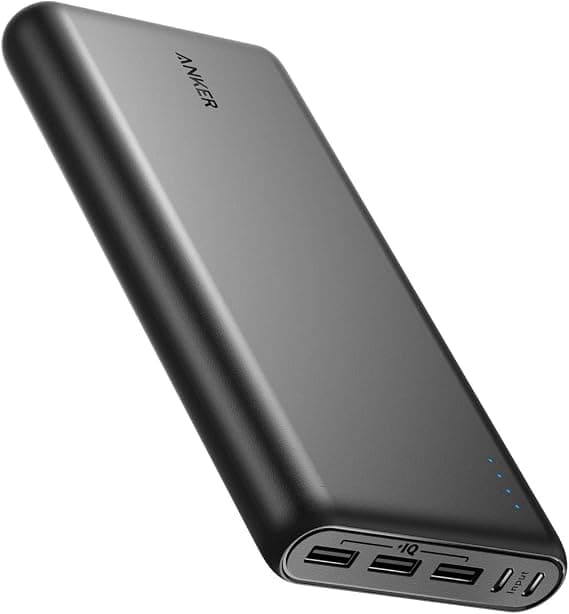
A reliable laptop forms the foundation for research, writing papers, attending online classes, and completing assignments across all majors and coursework types. Following the laptop, good noise-canceling headphones enable focus in noisy dorm environments and libraries, while a high-capacity power bank ensures your devices stay charged during long days on campus when outlets aren't accessible. These three items represent the minimum viable technology setup for academic success in 2026, covering 90% of daily tech needs from morning lectures through evening study sessions without requiring additional accessories or gadgets. For specific laptop recommendations based on your major, see our budget laptop guide or explore keyboard options for improved typing comfort.
Q: Should I buy a laptop or tablet for college?
Short Answer: For most students, a laptop is more versatile and essential. However, if you're in a field heavy on reading and note-taking (like literature or medicine), a tablet with stylus support makes an excellent complement to a laptop.
For most students, a laptop provides more versatility and remains essential than a tablet, offering full desktop software compatibility, better multitasking capabilities, comfortable keyboard for writing papers, and easier file management for organizing coursework across multiple classes and semesters. However, if you're in a field heavy on reading and note-taking (like literature, medicine, or law), a tablet with stylus support (iPad + Apple Pencil) makes an excellent complement to a laptop rather than replacement, enabling digital note-taking, textbook highlighting, and diagram annotation that replicate pen-and-paper benefits while maintaining digital organization and searchability.
Q: What's a reasonable budget for student electronics?
Short Answer: A good starting budget is $1,000-1,500 for a laptop, $100-300 for headphones, and $200-400 for accessories. You can start with essentials and add items throughout your college career.
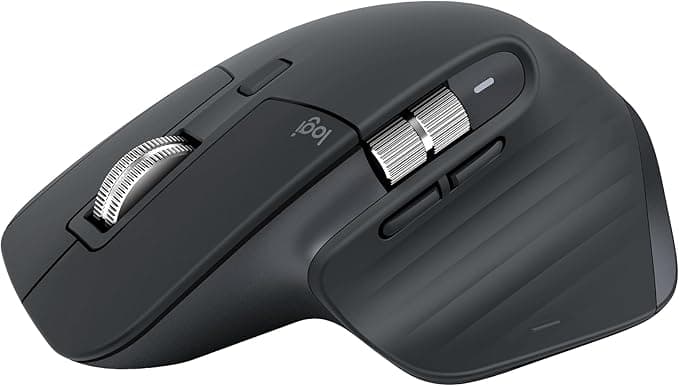
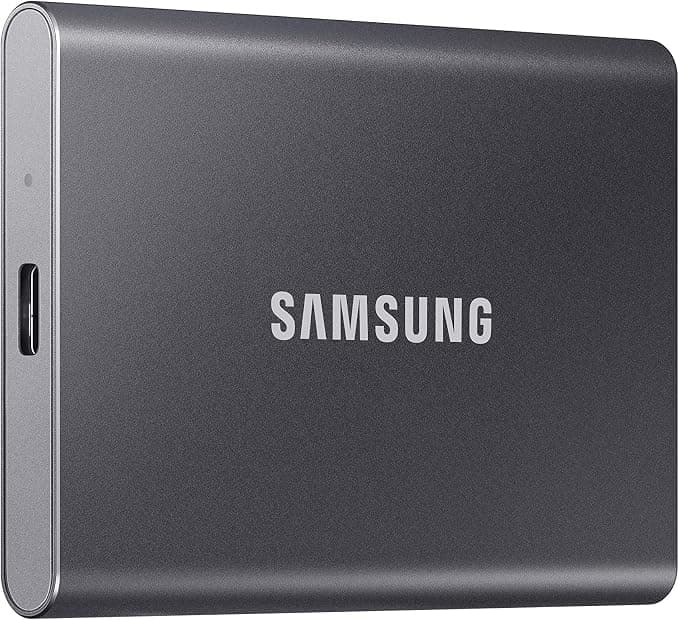
A good starting budget is $1,000-1,500 for a quality laptop that will last through college without needing replacement, $100-300 for noise-canceling headphones for focus in shared spaces, and $200-400 for essential accessories including power bank, external storage, mouse, and cables. Total initial investment ranges $1,300-2,200 depending on your major's requirements (engineering and design majors need more powerful machines with dedicated graphics). You don't need to buy everything at once—start with laptop and headphones as essentials during your first semester, then add accessories throughout your college career as needs arise and budget allows based on actual usage patterns rather than anticipated needs.
Q: Are refurbished electronics worth it for students?
Short Answer: Yes, refurbished electronics from reputable sellers can offer significant savings. Look for manufacturer refurbished items with warranties, especially for laptops and tablets where you can save 20-30%.
Yes, refurbished electronics from reputable sellers offer significant savings (20-40% off retail prices) while maintaining quality and reliability when purchased from manufacturer refurbished programs or authorized resellers with warranties. Look specifically for manufacturer refurbished items from Apple, Dell, or HP that include minimum 90-day warranties and return policies, avoiding third-party refurbished items with unclear testing standards or no warranty coverage. Refurbished laptops and tablets provide best value proposition, while items with batteries (power banks) or hygiene concerns (headphones, earbuds) are better purchased new to ensure maximum battery life and cleanliness for personal use throughout college.
Q: Do I need a powerful laptop for college?
Short Answer: It depends on your major. Liberal arts, business, and most general studies need basic laptops. Engineering, computer science, design, and video editing require more powerful machines with dedicated graphics and more RAM.
It depends entirely on your major and coursework requirements rather than personal preference or brand loyalty. Liberal arts, business, communications, and most general studies need only basic laptops with Intel Core i5/AMD Ryzen 5 processors, 8GB RAM, and 256GB storage for word processing, web browsing, video calls, and presentation software. Engineering, computer science, architecture, design, video editing, and data science require powerful machines with Intel Core i7/AMD Ryzen 7+ processors, 16GB+ RAM, dedicated graphics cards (NVIDIA RTX or AMD), and 512GB+ SSD storage to run demanding software like AutoCAD, Adobe Creative Suite, MATLAB, or 3D modeling tools without frustrating lag during critical project deadlines. If you're in a creative field, check our video and photo editing laptop guide for specialized recommendations.
Q: When is the best time to buy student electronics?
Short Answer: Back-to-school season (July-September) offers the best deals. Also consider Black Friday, Amazon Prime Day, and end-of-model-year clearances. Many retailers offer student discounts year-round.
Back-to-school season (July-September) offers the best deals with retailers offering student-specific discounts, bundles, and promotions targeting college shoppers preparing for fall semester. Also consider Black Friday/Cyber Monday (November) for electronics discounts up to 40% off, Amazon Prime Day (July) for member-exclusive deals on popular student tech, and end-of-model-year clearances (typically March-May) when manufacturers release new models clearing previous generation inventory at steep discounts. Many retailers including Apple, Microsoft, Dell, and HP offer year-round student discounts (10-15% off) requiring only .edu email verification, so don't feel pressured to buy during specific sales events if you need something immediately before semester starts. For current deals, visit our electronics category or check our deals page for limited-time student discounts.